The AI Branding Trap: Why Your Brand Is Starting to Look Like Everyone Else
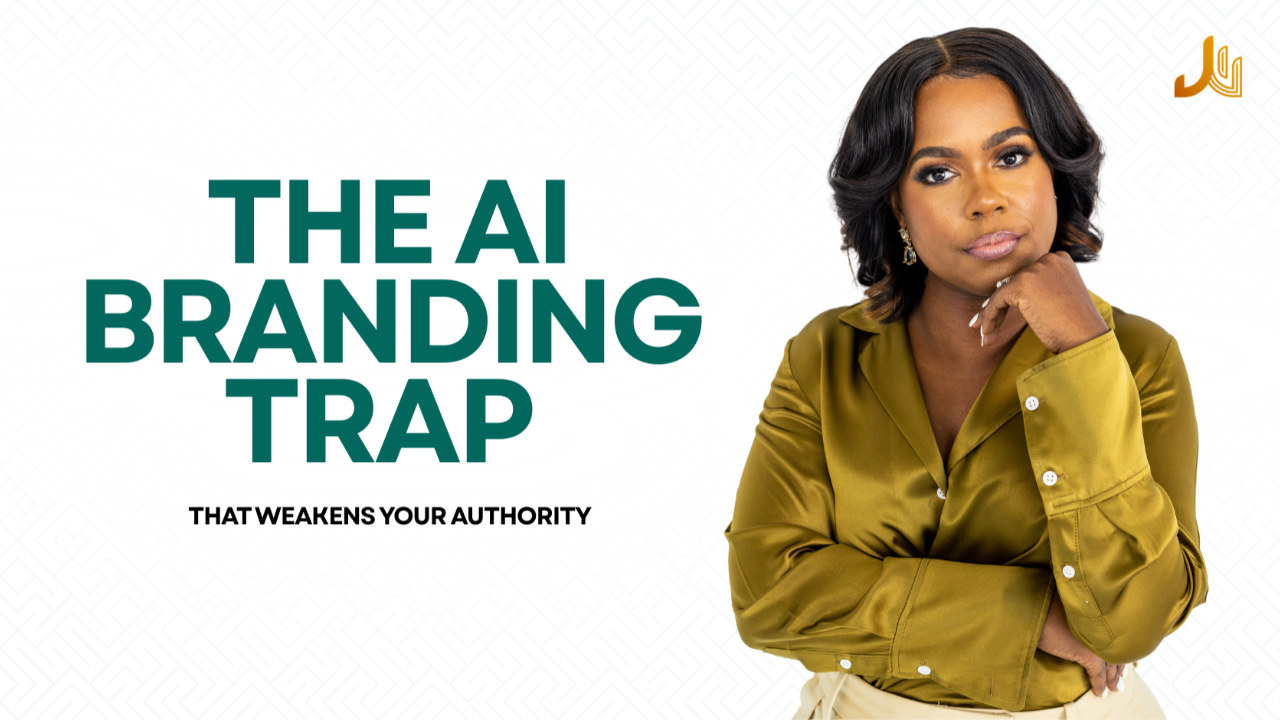
Can I say something that might be a little controversial? Please stop using AI to create your book covers, and while we’re at it, please stop using AI to create your entire website and all of your marketing graphics too.
Now, before you come for me, hear me out.
I am not anti-AI. I use AI, and I teach our clients how to use AI responsibly.
But what I’m seeing right now, especially in the writing and publishing world, is concerning.
I’m seeing websites that look identical, book covers that look identical, and graphics that you can immediately tell were created with AI. Everything has the same cartoon-style illustrations, similar fonts and placements, overly polished images, generic layouts, and walls of text.
The problem is bigger than aesthetics. The problem is authority.
When you look the same as everybody else, you are going to have a difficult time standing out.
Design Is Not the Same as Branding
One of the biggest mistakes I see people make is confusing design with branding. Having a design is not the same thing as having a brand.
Your branding is your positioning, messaging, perception, and experience. What does someone think, feel, and believe when they encounter you, your business, and your content?
That is a much bigger question than which colors look good together.
AI can give you color codes, generate an image, and suggest fonts and layouts, but those individual pieces do not automatically create a strategic brand.
Your brand should reflect your expertise, not the latest AI design trend. Trends change, and your positioning needs to communicate something much deeper about who you are, who you serve, what makes your work distinct, and why someone should choose you.
Authority Is Built Through Differentiation
Think about a therapist, nonprofit CEO, educational leader, physician, consultant, entrepreneur, and dentist. Their visual positioning should not all look the same because their audiences, expertise, businesses, and brand experiences are different.
Yet when AI is making the creative decisions, it can produce similar styles regardless of the person or business behind them.
That creates a problem if you are trying to establish authority.
If your website looks like everybody else’s website, people may have a harder time understanding what makes your expertise different too.
Authority is built through differentiation, and if you want to position yourself as a premium brand, you need distinction.
People connect with what they remember, and they also make buying decisions based on perception.
That is why you have to ask yourself what you want someone to think, feel, and believe when they encounter your brand. Then your visual identity, messaging, content, website, book, and other marketing assets should support that perception.
Your Book Cover Is a Marketing Tool
I can typically spot an AI-generated book cover in seconds.
There are common signs, including cartoon-style imagery, dramatic visuals, weird proportions, excessive clutter, and too much text.
You may look at it and think it looks professional because it is polished or flashy, but professional is not about being flashy. It is about communicating a clear message.
Your book cover is not simply another item on your publishing checklist that you need to get done. It is a marketing tool.
People will make assumptions about your book based on its cover, and the design can attract or repel potential readers before they ever read a single page.
If you spent years developing the expertise behind your book, your cover should reinforce that expertise.
Premium Brands Still Invest in Human Strategy
There is a reason high-level brands still invest in photographers, graphic designers, brand strategists, web designers, copywriters, and creative directors.
It is not because those brands do not have access to AI. It is because the tool does not create positioning. The strategy creates positioning.
There is psychology underneath strong branding. Someone has to understand the audience, the message, the desired perception, and how all of those pieces should work together. That requires strategic thinking, and your AI should support your creativity, not replace creative thinking.
Build a Brand System Before You Generate More Content
If you are in business, you need brand guidelines that go deeper than a few colors and fonts.
You need to know who you are speaking to, what their challenges and priorities are, what they believe, where they are currently stuck, and where they want to go.
You also need consistent colors, professional photography, brand-aligned typography, and templates that actually reflect the brand you are building.
The same strategic thinking needs to carry over to your website. Your website needs clear messaging, lead generation, a defined customer journey, and a conversion strategy.
Your book needs a cover designed with the reader and your positioning in mind, and your marketing graphics need consistency without becoming generic.
The goal is not to eliminate technology from your process. The goal is to stop letting the technology make every strategic decision for you.
AI Should Support Your Brilliance, Not Replace It
AI is not going anywhere, and honestly, it shouldn’t. It is a powerful tool.
You can use AI for brainstorming, research, content organization, and idea generation. It can help you work faster and support your creative process, but it should not make every final decision for you.
You have spent years developing your expertise and building your reputation. Do not package and position that expertise in a way that makes you look like an amateur.
You cannot build a premium brand with generic positioning, establish authority by looking like everybody else, or expect people to invest at a high level if your brand communication feels low effort.
Your voice matters more than the ideas AI generates, and your perspective, expertise, and originality matter.
Do not allow technology to strip away the very things that make you valuable and different. AI should support your brilliance, not replace it.
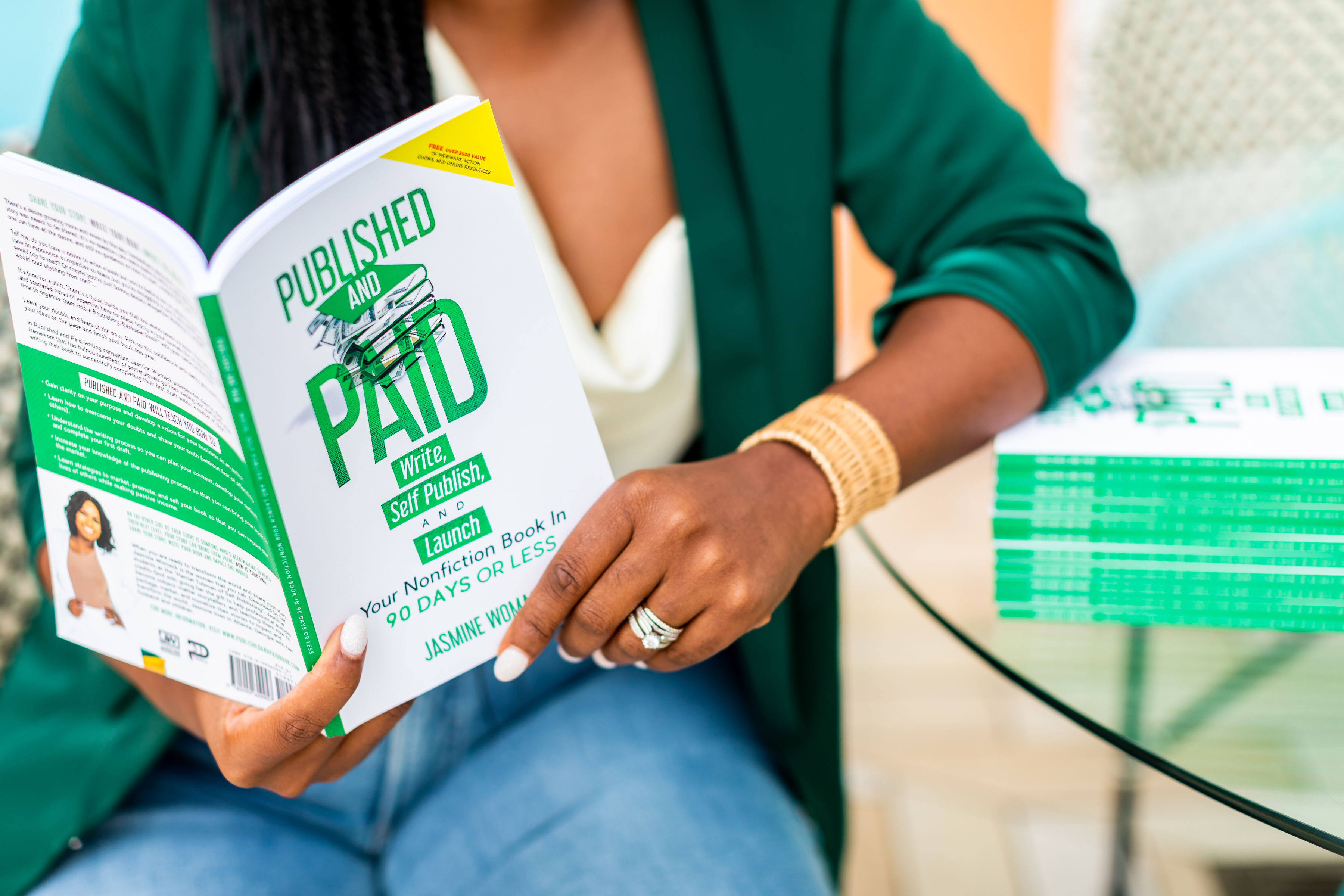
Listen to the full episode of th Published and Paid Podcast to hear the full conversation about the AI branding trap and how to use AI without allowing it to dilute your authority.
Release your expertise, write the book, take the stage, get published, and get paid.
Stay connected with news and updates!
Join our mailing list to receive the latest news and updates from our team.
Don't worry, your information will not be shared.
